Schadenfreude Meaning: Why We Enjoy Others' Misfortune
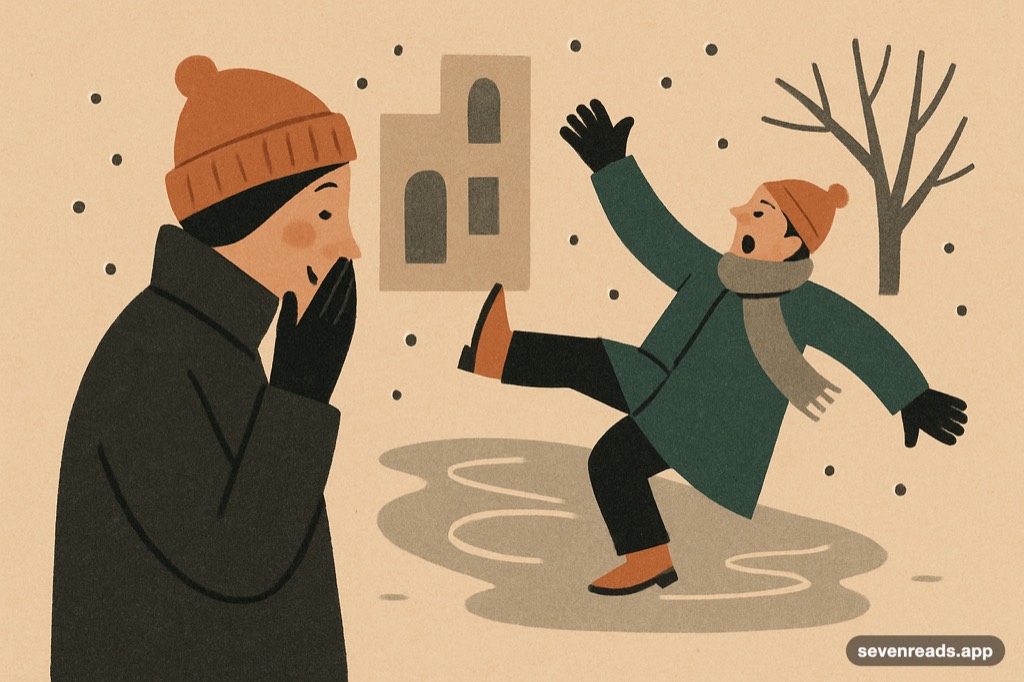
Schadenfreude is German — Schaden (harm) + Freude (joy) — and it means the pleasure we take in someone else's misfortune. English borrowed the word wholesale in the 1850s because it had never dared coin its own, which is itself revealing: the feeling is universal; naming it is the embarrassing part. And the concept is far older than German — Aristotle analyzed it under the name epichairekakia twenty-three centuries ago, and filed it among the feelings that are bad news in any amount.
Here's what the word covers, when the feeling is diagnostic rather than shameful, and where the philosophers drew their lines.
Aristotle is free in Seven Reads — start reading today.
Get Seven ReadsThe anatomy of the feeling
Modern psychology sorts schadenfreude into three streams, and the sorting is useful. Justice-schadenfreude: the hypocrite exposed, the cheat caught — pleasure that a score was settled, which is really pleasure in the world making sense. Envy-schadenfreude: the too-perfect colleague stumbles, and the pleasure is relief that the gap between you shrank. Rivalry-schadenfreude: their team lost, so your team effectively won. The first kind points outward at a wrong; the second two point straight back at the person feeling them — which is exactly why the feeling is worth noticing rather than suppressing. It's a free diagnostic readout of your envies and rivalries.
Aristotle got there first
In the Nicomachean Ethics, Aristotle lists epichairekakia — joy-at-evil — among the feelings that admit no right amount: like spite and shamelessness, "the badness is in the feeling itself." That's a precise claim inside his system, where most emotions are healthy in the right measure (his golden mean). Anger, fear, even envy's cousin emulation all have proper occasions; pleasure specifically in another's suffering does not. The interesting wrinkle: his own justice-schadenfreude case — enjoying deserved comeuppance — he'd reclassify as pleasure in justice, not in suffering. The test is what the pleasure tracks: the fairness, or the pain.
Why comedy runs on it
From slapstick to satire, comedy is schadenfreude with a safety certificate. Theorists since Hobbes ("sudden glory arising from some conception of our own eminency, by comparison with the infirmity of others") have noticed that laughter often has a target, and stage misfortune lets the audience collect the pleasure with nobody actually harmed. Fiction extends the license: watching Emma's schemes collapse or a Dickens hypocrite get his public unmasking delivers the justice variety at full strength — one of the oldest reasons plots exist is to arrange misfortunes worth enjoying.
Living with it
The honest policy isn't to pretend you never feel it — everyone does, and the research says more often than anyone admits. It's to read the message and drop the letter: justice-schadenfreude tells you what you think fairness is; envy-schadenfreude tells you where your own ambitions are bruised. Aristotle's rule of thumb still serves — enjoy the justice, and be a little suspicious of yourself the moment you're enjoying the pain.
Frequently asked questions
What does schadenfreude literally mean?
German for "harm-joy" — Schaden (damage) + Freude (joy): pleasure taken in another person's misfortune. English borrowed the word in the mid-1800s, having never coined its own.
Is schadenfreude normal?
Universal, per the research — especially the justice kind (pleasure when a cheat is caught). Psychologists distinguish justice, envy and rivalry varieties; the last two say more about the feeler than the fallen.
What did Aristotle say about schadenfreude?
He named it epichairekakia and classed it with spite and shamelessness as feelings with no right amount — most emotions have a proper measure, but pleasure in suffering itself is "bad in itself."
Twenty-three centuries of the guilty smile.
The Nicomachean Ethics is free in Seven Reads — start reading today.
Get Seven Reads