The Classics That Are Actually Fun
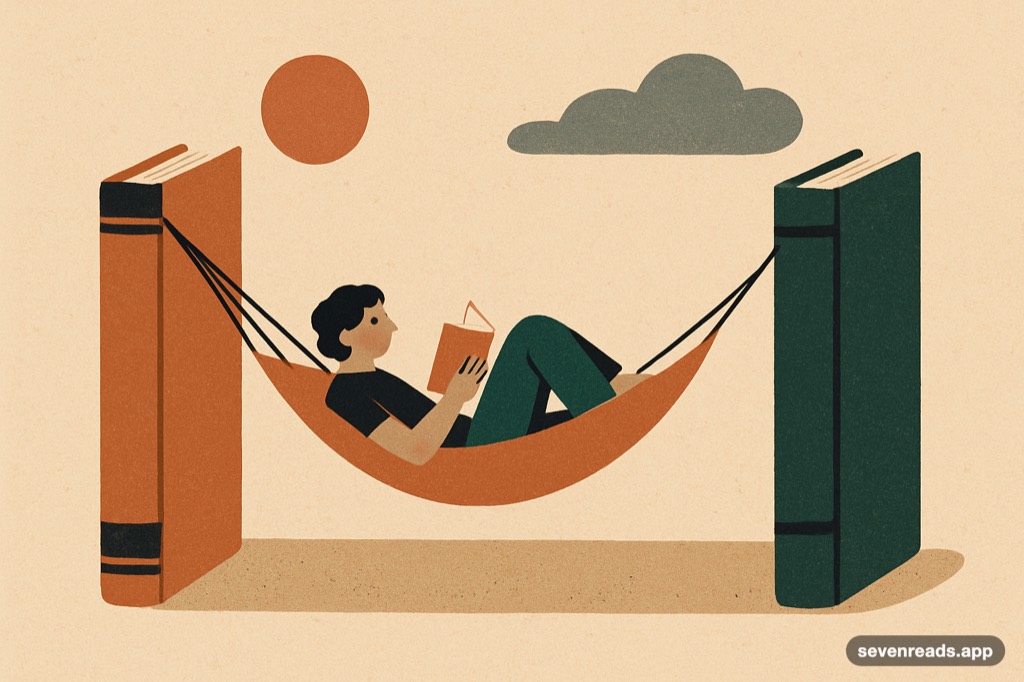
Some classics are fun the way current bestsellers are fun — you turn pages because you want to know what happens: The Count of Monte Cristo, Pride and Prejudice, Dracula, The Importance of Being Earnest, Around the World in Eighty Days. The "eat your vegetables" framing of classic literature is a marketing disaster that hides a plain fact: these books survived because generations found them entertaining, and the entertainment still works.
Here's the fun-first shelf, by what kind of fun, with zero medicine on the list.
Every book here is free in Seven Reads — start reading today.
Get Seven ReadsThe revenge-and-adventure tier
The Count of Monte Cristo is the great page-turner of the canon — betrayal, prison, treasure, and a revenge served across a thousand fast pages; readers routinely call it the most fun they've had with a "big" classic. The Three Musketeers runs on duels, wit and audacity. Treasure Island invented the pirate story and remains its best telling. Around the World in Eighty Days is a race against a clock with a twist that still lands. None of these ask discipline of you; they ask bedtime extensions.
The comedy tier
The Importance of Being Earnest is the funniest thing in the language — two hours, laugh-out-loud, no context needed. Pride and Prejudice is a wit-off between two people too proud to admit the obvious, refereed by a narrator whose every second sentence is a dry joke. Three Men in a Boat (Jerome's 1889 comedy of incompetent boating) has jokes that work verbatim today. Don Quixote is the longest commitment here and pays in a different currency: it starts as parody and sneaks into profundity while you're laughing.
The thrills tier
Dracula reads as a paranoid page-turner in documents — the letters and diaries keep dealing cliffhangers. The Hound of the Baskervilles is the best Holmes novel: gothic dread with a rational spine. The War of the Worlds still delivers genuine invasion suspense. Jane Eyre belongs here more than its syllabus placement suggests — it's a gothic mystery with a slow-burn romance and real menace in the house.
Why fun-first is a legitimate strategy
Pleasure is how reading habits survive contact with real life. A year that starts with Monte Cristo and Earnest produces a reader who then picks up Dostoevsky on momentum; a year that starts with penance produces an abandoned shelf by March. Fun first, depth by appetite — the full starting guide builds the same argument, and the short-classics list covers the weekends between big ones.
Frequently asked questions
Which classics are genuinely fun to read?
The reliable crowd-pleasers: The Count of Monte Cristo, Pride and Prejudice, Dracula, The Importance of Being Earnest, Treasure Island and Around the World in Eighty Days — books that survived on entertainment value and still deliver it.
What's the most fun long classic?
The Count of Monte Cristo by consensus — a thousand pages that read like four hundred, powered by the most satisfying revenge plot ever engineered. Its length becomes a feature: more book to enjoy.
Are fun classics less worthwhile than hard ones?
No — several (Austen, Cervantes, Wilde) are among the most acclaimed books ever written. Difficulty and depth aren't the same axis; the fun shelf builds the habit that makes the hard shelf reachable anyway.
Extend bedtime tonight.
The whole fun shelf is free in Seven Reads — start reading today.
Get Seven Reads