AI and Reading Comprehension: What We Actually Know
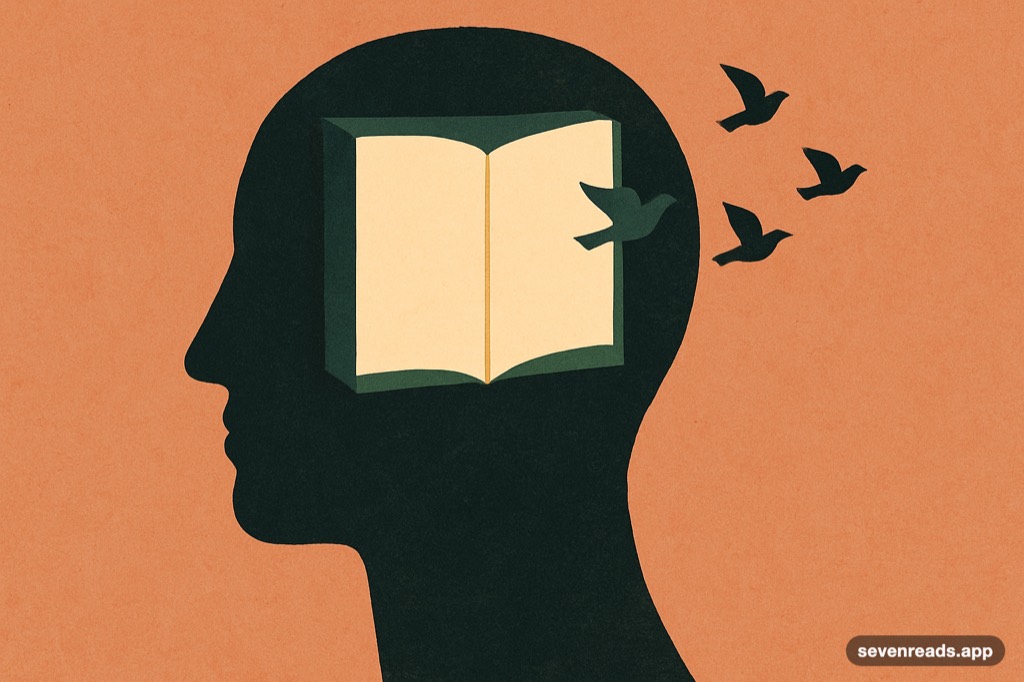
AI's effect on reading comprehension depends entirely on which cognitive work it replaces. The learning science is consistent: comprehension grows through self-explanation, retrieval practice and resolved confusion — so AI that prompts those processes helps, and AI that performs them for you hurts. The tool is neutral; the division of labor isn't.
Here's what the research tradition actually supports, finding by finding, and what each implies about reading with a companion.
Seven Reads is built on the comprehension-positive side of every finding here.
Get Seven ReadsFinding one: questions during reading improve comprehension
Decades of work on elaborative interrogation — prompting readers to ask and answer "why" questions mid-text — shows reliable comprehension gains. The mechanism is integration: a question forces the new material to connect with what you already know. An AI companion lowers the cost of exactly this behavior; the reader who asks real questions mid-page is doing more integration than the reader who pushes through confusion, not less.
Finding two: retrieval beats rereading
The testing effect is among the most replicated results in learning science: recalling material strengthens memory far more than re-exposure to it. Applied to books, that means the end-of-chapter self-summary — attempt recall first, then check — is the highest-value two minutes available. A companion that quizzes you, or that you summarize to before hearing its version, is retrieval practice with feedback. A companion that hands you summaries unprompted is the rereading trap with better production values; we've written the honest ledger on summaries.
Finding three: struggle helps — up to a point
Work on "desirable difficulties" shows effortful processing builds durable learning; work on cognitive load shows unresolved confusion compounds and collapses comprehension. Both are true, and the practical line between them is the one-attempt rule: re-read the hard passage once, form a guess, then ask. The attempt does the encoding; the answer stops the compounding. AI misused removes the attempt; AI used well removes only the compounding — the distinction that decides whether AI makes you lazier.
What this means in practice
Three rules cover the science: ask real questions while reading (help), summarize before being summarized (help), and never let an explanation arrive before your first honest attempt (the line). A reading companion designed around those rules isn't a comprehension shortcut — it's a comprehension gym with a spotter.
Frequently asked questions
Does using AI while reading improve comprehension?
When it prompts you to question, retrieve and integrate — yes, those behaviors have decades of supporting research. When it substitutes for them, delivering summaries and explanations before you've engaged, the same research predicts weaker retention. The division of labor decides.
Is asking an AI questions better than looking things up?
It's the same cognitive act with lower friction — and friction is the enemy: questions unasked because asking was costly are integration that never happened. Grounded AI answers also stay anchored to your actual text, which lookups often don't.
What's the single best comprehension habit with AI?
The chapter-end debrief in the right order: write or say your own two-sentence summary first, then ask the companion for its version, then ask one question about the difference. Retrieval, feedback and integration in about three minutes.
Read on the right side of the research.
Seven Reads answers from the pages you've read, quizzes on request, and pushes the thinking back to you — comprehension-positive by design.
Get Seven Reads