Tabula Rasa Meaning: The Blank Slate Argument
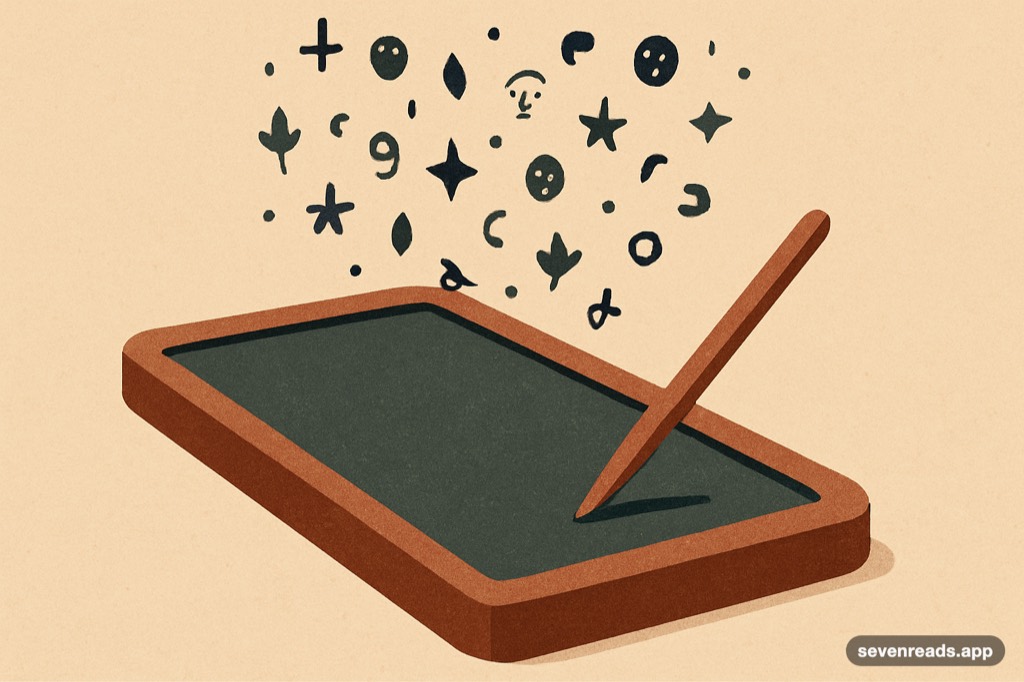
Tabula rasa is Latin for "scraped tablet" — the wax writing tablet of the ancient world, smoothed blank for reuse — and it names one of philosophy's oldest and most consequential claims: that the mind begins empty, and everything in it arrives through experience. No innate ideas, no built-in knowledge; at birth, the slate is clean. It's the founding metaphor of empiricism, the perennial "nurture" side of nature-versus-nurture, and a claim with enormous political stakes — because if minds start blank, then education and environment make people, and people can be remade.
Here's the metaphor's history, Locke's actual argument, and where the blank slate stands now.
Locke and Aristotle are free in Seven Reads — start reading today.
Get Seven ReadsFrom Aristotle's wax to Locke's white paper
Aristotle planted the image in On the Soul: the intellect before thinking is "like a writing tablet on which nothing yet stands written." The Scholastics coined the Latin tag and the slogan that traveled with it — nothing is in the intellect that was not first in the senses. But the argument's modern career begins with John Locke's Essay Concerning Human Understanding (1689), which opens with a demolition of innate ideas and asks its famous question: suppose the mind to be "white paper, void of all characters" — "whence has it all the materials of reason and knowledge? To this I answer, in one word, from experience."
What Locke actually claimed — and didn't
Locke is regularly overread. He denied innate ideas — inborn contents like "God" or "justice" stamped on the soul — not innate capacities: the blank paper comes with faculties for perceiving, comparing, and abstracting, and even with native temperament (his education writings assume children differ from birth). The slate is blank of text, not of machinery. That distinction matters because the strawman — "Locke thought babies were identical" — is what most modern refutations attack. His real target was political as much as psychological: innate ideas were the era's licence for authority ("these truths are stamped in you; obedience is natural"), and scraping the tablet was a way of making every mind start free.
The stakes, then and now
The blank slate powered the Enlightenment's optimism — if experience writes everything, then schools, laws and circumstances are authorship, and reform is possible all the way down. Frankenstein stages the idea as tragedy: Shelley's creature is born benevolent and blank, learns language from observation, and is written into monstrosity by how the world receives him — the most Lockean monster in literature. The modern verdict, after twin studies and cognitive science, is a negotiated settlement: minds arrive with substantial structure (language readiness, temperament, perceptual machinery), and experience does vast work on that prepared surface. The tablet isn't blank — but it's still mostly unwritten.
Using the term
Beyond philosophy it means any genuine fresh start — the new hire "arriving tabula rasa," a rebuilt team, a reformatted drive. The precise use keeps Locke's edge: not merely new, but unwritten-on where writing was expected. And in argument, the term is a flag worth noticing: whoever claims the slate is blank is about to tell you who should hold the stylus.
Frequently asked questions
What does tabula rasa literally mean?
"Scraped tablet" — the reusable wax writing tablet of antiquity, smoothed blank. Philosophically it names the claim that the mind starts empty and experience supplies all its contents.
Who came up with the tabula rasa idea?
The image goes back to Aristotle's unwritten tablet in On the Soul; the Latin term came from medieval Scholastics; and John Locke's 1689 Essay made it the foundation of modern empiricism — "white paper, void of all characters."
Is the tabula rasa theory true?
Not in the strong form — modern evidence shows minds arrive with real structure: temperament, language readiness, perceptual machinery. But Locke never claimed blank machinery, only no innate ideas, and experience still does most of the writing.
Watch the slate get written.
Locke's Essay and Frankenstein are free in Seven Reads — start reading today.
Get Seven Reads